
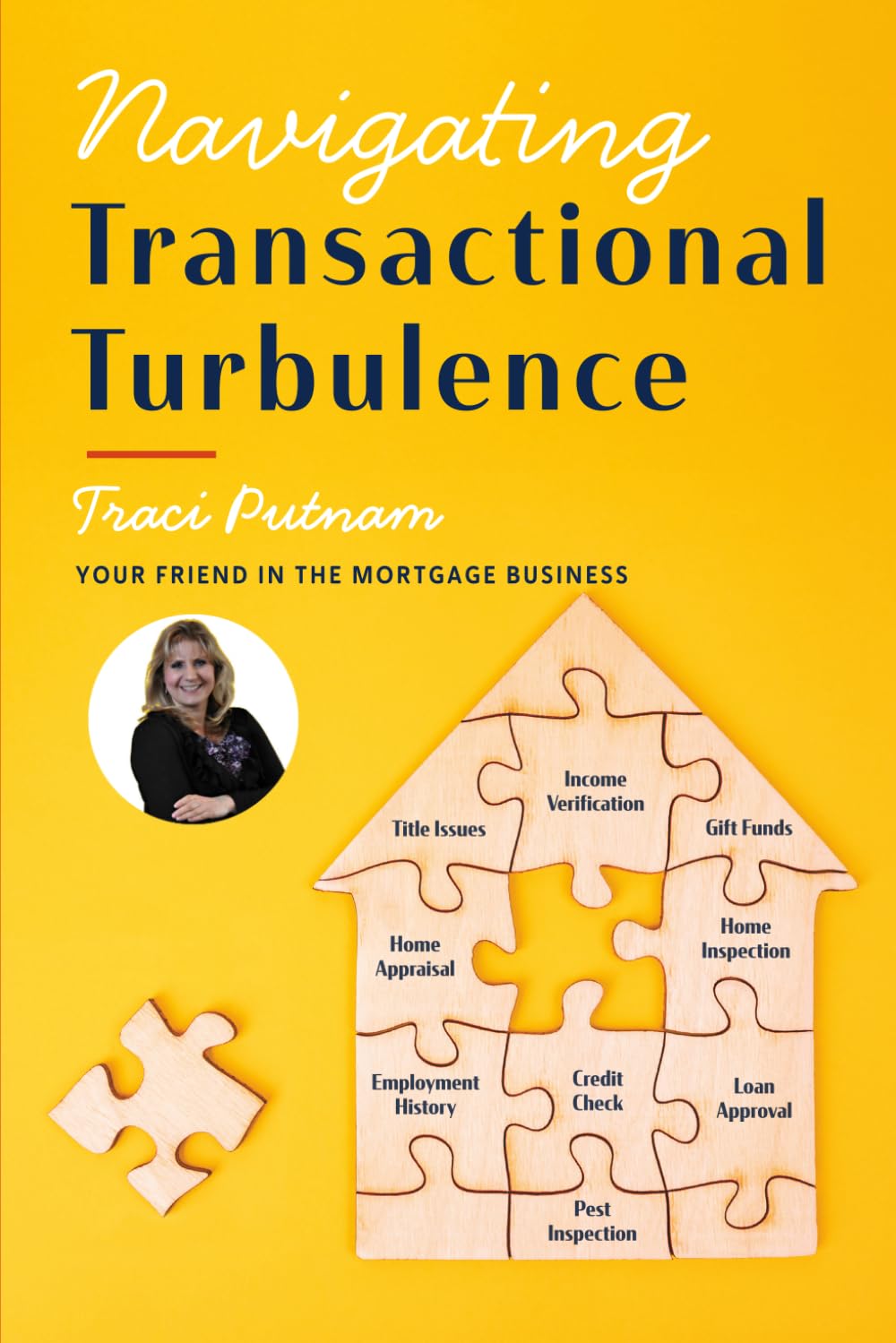
Your Friend in the Mortgage Business by Traci Putnam, book cover

Your Friend in the Mortgage Business

The story and the principles behind every loan I write

Before you trust someone with the biggest financial decision of your life, you should know who they are. This book is my answer: where I come from, how I found this work, and the promises I make to every client.

Traci Putnam

About the Author

Traci Putnam, Formerly Traci Benjamin

I began originating mortgage loans at GMAC Mortgage in Albany, Oregon in 1996. Today I am an Originating Branch Manager and Certified Mortgage Advisor with CrossCountry Mortgage in Salem, leading The Putnam Group, and I have closed more than 3,500 loans for buyers and homeowners across Oregon, Washington, Idaho, Arizona, and Texas.

I wrote this book as Traci Benjamin. The name on the cover has changed; the person and the promises have not. My clients still get plain-language explanations, honest advice even when it is not what they hoped to hear, and someone who stays with them from the first question to the closing table.

Outside of lending, I founded Agape Financial Ministries to teach budgeting, credit, and savings skills to people working toward financial stability.

The Book

A Mortgage Professional's Story, Told Honestly

Your Friend in the Mortgage Business is part memoir, part philosophy. It starts with the two people who shaped me: a mother who raised me with consistency, honesty, and quiet strength, and a father whose adventures, risks, and resilience taught me lessons I did not recognize until much later.

From there it follows my path into this work: a curiosity about neighborhoods and how people buy homes, an unexpected detour through car sales, a consumer finance job that showed me the kind of lender I never wanted to be, and the 1996 leap into mortgage lending on straight commission.

The last two chapters are about how I work today: listening first, telling the truth, educating clients so they can make their own decisions, and refusing to give up on a file that deserves a chance. If you are deciding who to trust with your home loan, this is the clearest way I know to introduce myself.

With love, determination, and a strong moral compass, we can overcome any obstacle.Traci Putnam, Your Friend in the Mortgage Business

Read It Here

Five Chapters, Read in Full

Open any chapter to read it start to finish.

Growing up, I never fully appreciated the strength it took for my mother to raise me on her own. It wasn't until I became a mother myself that I truly understood the sacrifices she made and the resilience she embodied. My journey into the world of mortgage lending and the way I approach my clients today is deeply rooted in the lessons I learned from my mom, Peggy.

Peggy's story began as the youngest of nine children, born to a mother who was 40 years old at the time. The strict upbringing she experienced under my grandmother's watchful eye would later shape her own parenting style in ways neither of us could have predicted.

A Nurturing Heart in Challenging Times

When I was just one year old, my parents divorced. It was a devastating blow to my mother, who had envisioned a traditional family life. Suddenly, she found herself thrust into the role of a single parent, navigating the choppy waters of raising a child alone while balancing a full-time job.

Despite the challenges, my mom's approach to parenting was a delicate balance of nurturing and fostering independence. She showered me with love and affection, ensuring I felt secure and supported. But she also recognized the importance of allowing me to spread my wings and learn to fly on my own.

I remember coming home from school to an empty house and calling my mom to let her know I had arrived safely. Some might see this as a lack of supervision, but for me, it was an early lesson in responsibility and self-reliance. My mother trusted me to handle myself, and in turn, I learned to trust my own instincts.

The Middle of the Playground

Peggy's parenting style was a stark contrast to her own upbringing. Where her mother had been strict and unyielding, my mom gave me the freedom to explore and make my own choices. It's funny how the pendulum swings from one generation to the next.

I often think about how this impacted my personality. If you had put me on a playground as a child, I would have stayed in the middle. I had a strong will, but I didn't venture around the perimeter. This balance between independence and caution has served me well in my career, allowing me to take calculated risks while maintaining a solid foundation.

Honesty, Integrity, and Hard Work: The Cornerstones of Character

When I reflect on the core values my mother instilled in me, three words immediately come to mind: honesty, integrity, and hard work. These principles weren't just empty words in our household; they were lived experiences that shaped my worldview and continue to guide my actions today.

My mom worked for the same company for over 30 years, a testament to her dedication and loyalty. I had the privilege of witnessing her interactions with coworkers, and it was clear that she was respected and beloved. People would come to her for problem-solving, recognizing her as a reliable and trustworthy colleague.

The Power of Consistency

One of the most powerful lessons I learned from my mother was the importance of consistency. Day in and day out, she showed up, not just physically, but emotionally and mentally. Whether she was at work or at home, Peggy maintained the same level of integrity and kindness.

I remember watching her interact with cashiers at the grocery store, treating them with the same respect and warmth she showed to her closest friends. This consistency in character, regardless of the situation or who she was dealing with, left an indelible mark on me.

As I navigate the complex world of mortgage lending, I strive to embody this same consistency. My clients can count on me to be the same person, whether we're celebrating a successful loan approval or working through a challenging financial situation. It's this reliability that builds trust and fosters long-term relationships.

Balancing Act: Career and Motherhood

Watching my mother juggle her career and single parenthood was like witnessing a masterclass in time management and prioritization. She worked tirelessly to provide for us, yet always made time to ensure I was cared for and nurtured.

This delicate balancing act taught me invaluable lessons about the importance of work-life integration. Today, as I help clients navigate the often stressful process of securing a mortgage, I draw on these experiences. I understand the pressures of balancing multiple responsibilities and the need for a compassionate, understanding partner in financial matters.

The Legacy of Empathy

Perhaps one of the most profound gifts my mother gave me was the ability to empathize with others. Growing up in a household where resources were sometimes stretched thin, I developed a deep understanding of the financial and emotional challenges many families face.

This empathy has become a cornerstone of my approach to mortgage lending. When I sit across from a client, I'm not just seeing numbers on a page. I see their dreams, their anxieties, and their hopes for the future. I understand that behind every loan application is a family striving for stability and a better life.

Turning Challenges into Strengths

My mother's journey as a single parent wasn't without its struggles. There were times when I could see the weight of responsibility heavy on her shoulders. But what amazed me was her ability to turn these challenges into strengths.

She taught me that adversity isn't something to be feared but rather an opportunity for growth. This lesson has been invaluable in my career, especially when faced with complex loan scenarios or difficult market conditions. I've learned to approach each challenge with the same resilience and creativity my mother displayed throughout my childhood.

A Foundation of Trust

Trust was the bedrock of my relationship with my mother, and it's become the foundation of my professional life as well. My mom always told me the truth, even when it was difficult to hear. She believed that honesty was not just the best policy but the only policy.

In the world of mortgage lending, where financial decisions can have long-lasting impacts, this commitment to truth and transparency is crucial. My clients know that they can count on me to provide honest, straightforward advice, even if it's not always what they want to hear. It's this trust that allows us to work together effectively, navigating the sometimes turbulent waters of home financing.

The Ripple Effect of Kindness

One of the most beautiful aspects of my mother's character was her innate kindness. It wasn't something she talked about; it was simply a part of who she was. I watched as this kindness created a ripple effect, touching the lives of everyone she encountered.

Today, I strive to bring that same spirit of kindness to my work. In an industry that can sometimes feel impersonal and numbers-driven, I believe there's immense power in genuine human connection. Whether it's taking the time to explain a complex concept, offering a word of encouragement during a stressful time, or celebrating a client's success, these small acts of kindness can make a world of difference.

Embracing Change and Growth

My mother's journey from a young, single parent to a respected professional taught me the importance of embracing change and continuous growth. She never stopped learning and never stopped adapting to new challenges.

This lesson has been invaluable in my career in the ever-evolving world of mortgage lending. Markets change, regulations shift, and client needs evolve. But thanks to Peggy's example, I've learned to view these changes not as obstacles but as opportunities for growth and improvement.

A Legacy of Strength and Love

As I reflect on the lessons learned from my mother, I'm filled with a profound sense of gratitude. Her strength, her love, and her unwavering commitment to doing what's right have shaped not only who I am as a person but also how I approach my work.

Every time I sit down with a client, every time I navigate a challenging loan scenario, I carry with me the legacy of my mother's nurturing independence. It's a legacy of resilience, of integrity, and of unconditional love. And it's a legacy that I'm proud to pass on, not just to my own children but to every client I have the privilege of serving.

In the end, the greatest lesson my mother taught me was this: with love, determination, and a strong moral compass, we can overcome any obstacle and create a life of meaning and purpose. It's a lesson I carry with me every day and one that continues to guide me as I help others achieve their dreams of homeownership and financial stability.
As I sit here, reflecting on the intricate tapestry of my life, I can't help but marvel at the unexpected ways my father, Lew, shaped the person I've become. His influence, though different from my mother's, was no less profound. In many ways, the lessons I learned from him were like hidden treasures, their true value only revealed with time and perspective.

The Disneyland Dad

When my parents divorced, I was just one year old. In the years that followed, my father's presence in my life was sporadic at best. He was what many would call a "Disneyland Dad," showing up for the fun times but often absent for the day-to-day challenges of raising a child.

At first glance, you might think this absence left a void in my life. And in some ways, it did. But as I've grown older and wiser, I've come to recognize that even in his absence, my father was teaching me valuable lessons about resilience, adaptability, and the importance of seizing opportunities when they arise.

The Workaholic's Legacy

If there's one word that encapsulates my father's approach to life, it's "workaholic." Lew was all about his job, pouring himself into his career with an intensity that left little room for anything else. As a child, I didn't understand this drive. I saw it as a choice he made to prioritize work over family.

But now, as a mortgage professional who often finds herself working long hours to secure the best deals for my clients, I recognize that same work ethic in myself. It's a double-edged sword, to be sure. The ability to throw yourself wholeheartedly into a task can lead to great success, but it also requires careful balance to avoid burnout and neglecting other important aspects of life.

Adventures with Lew: Camping and Water Skiing

Despite his frequent absences, the times I did spend with my father were filled with adventure and new experiences. My dad's knack for making our limited time together memorable. One of my fondest memories is of our camping trips to Pineville Reservoir.

Imagine a young girl, eyes wide with excitement, as she watches her father and his friends set up camp by the shimmering water. The air is filled with laughter, the smell of campfire smoke, and the promise of adventure. It was during these trips that I learned to water ski, feeling the exhilaration of gliding across the water's surface, my father's encouraging shouts carrying me across the lake.

These experiences taught me the value of stepping out of my comfort zone and embracing new challenges. Today, when I'm faced with a particularly complex loan scenario or a client with unique financial circumstances, I channel that same spirit of adventure. I'm not afraid to dive in, to try new approaches, and to find innovative solutions.

A Lesson in Family History

When I was in middle school, my father took me on a trip that would leave a lasting impression. We traveled to Painesville, Ohio, to explore our family's roots. My dad was intensely proud of our family's history and status, and he wanted to ensure that I understood and appreciated our heritage.

As we walked through the old Tuttle homestead, the Woodworth house, my father's eyes shone with pride. He regaled me with stories of our ancestors' achievements and the impact they had made. At the time, I didn't fully grasp the significance of this journey. But looking back, I realize that my father was instilling in me a sense of connection to something larger than myself.

This lesson in family history has translated into how I approach my work today. When I sit down with clients, I'm not just helping them secure a mortgage; I'm helping them build their own family legacies. I understand that a home is more than just bricks and mortar; it's a foundation for creating memories, establishing roots, and writing new chapters in a family's story.

The Gambler's Wisdom

One of the more unexpected skills I learned from my father was how to gamble. Now, before you raise an eyebrow, let me explain. My dad loved to play poker and dice games, and he taught me the basics during our family gatherings. But what I really learned wasn't about gambling itself; it was about calculated risk-taking, reading people, and making decisions under pressure.

These skills have proven invaluable in my career as a mortgage professional. Every day, I assess risks, read market trends, and make quick decisions that can significantly impact my clients' financial futures. The ability to keep a cool head, to know when to hold'em and when to fold'em, so to speak, has helped me navigate the often turbulent waters of the mortgage industry.

But here's the crucial difference: while my father may have enjoyed the thrill of gambling, I use these skills to help my clients avoid unnecessary risks. I'm not playing with their futures; I'm safeguarding them. The lessons I learned at those family poker games have transformed into a commitment to help my clients make informed, strategic decisions about their mortgages.

The Bigger-than-Life Personality

If there's one trait of my father's that I've come to appreciate more with age, it's his larger-than-life personality. My dad had a way of lighting up a room when he entered. His gregarious nature drew people to him, and he had a knack for making everyone feel at ease.

As a child, I was sometimes overwhelmed by this big personality. But as I've grown into my own role as a mortgage professional, I've found myself channeling aspects of my father's charisma. I've learned the value of making clients feel comfortable and creating an environment where they feel safe sharing their financial hopes and fears.

This ability to connect with people on a personal level has become one of my greatest strengths. It allows me to build trust with my clients, to truly understand their needs, and to guide them through what can often be a stressful and emotional process.

The Art of Resilience

Perhaps the most valuable lesson I learned from my father was resilience. Lew faced his share of challenges: divorce, the demands of a high-pressure career, and the complexities of maintaining relationships with a child he didn't see every day. But through it all, he maintained his zest for life and his ability to find joy in the moment.

This resilience has served me well in my own life and career. The mortgage industry can be unpredictable, with market fluctuations, changing regulations, and unique client situations presenting new challenges every day. But like my father, I've learned to adapt, to find creative solutions, and to maintain a positive outlook even in the face of adversity.

Balancing Act: Work and Play

One of the most significant challenges I've faced in my professional life is finding the right balance between work and play. This struggle is, in many ways, a direct result of the contrasting examples set by my parents. On one hand, I have my mother's consistent, nurturing presence. On the other, my father's work-hard-play-hard approach to life.

For a long time, I leaned more toward my father's example, throwing myself into my work with the same intensity he displayed. But over time, I've come to recognize the importance of balance. I've learned that to truly serve my clients well, I need to be refreshed, energized, and fully present.

Now, I strive to incorporate elements of both my parents' approaches. I work hard, giving my all to each client and each loan application. But I also make time for play, for adventure, for those moments of joy that recharge my batteries and keep me excited about life.

This balance allows me to bring my best self to my work. When I sit down with a client, they're not getting a burned-out workaholic or a disengaged professional. They're getting someone who is passionate about what she does, energized by the challenge, and fully committed to helping them achieve their dreams.

The Unexpected Teacher

As I look back on my relationship with my father, I'm struck by how much I learned from him, often in unexpected ways. His absences taught me self-reliance. His work ethic, though extreme, showed me the value of dedication. His love for adventure instilled in me a willingness to take calculated risks. His pride in our family history gave me a sense of connection to something larger than myself.

These lessons have shaped me into the mortgage professional I am today. They've given me the tools to navigate complex financial landscapes, connect deeply with my clients, and find innovative solutions to challenging problems.

But perhaps the most important lesson I learned from my father is this: life is full of unexpected gifts. Sometimes, the very things we perceive as challenges or shortcomings can become our greatest strengths. It's all in how we choose to view them, learn from them, and apply those lessons to our lives.

A Father's Legacy

As I help my clients navigate the path to homeownership, I carry with me the legacy of both my parents. My mother's nurturing consistency, and my father's adventurous spirit have combined to create a unique approach to mortgage lending, one that balances careful analysis with bold action and empathy with strategic thinking.

To my clients, I offer this: know that when you work with me, you're benefiting from a lifetime of lessons learned. From my father, I learned to embrace challenges, to think creatively, and to approach each situation with enthusiasm and energy. These are the gifts I bring to our partnership as we work together to secure your financial future.

In the end, my father's influence on my life and career has been profound, if not always obvious. Through him, I learned that life's greatest teachers often come in unexpected packages. And for that lesson, above all others, I am eternally grateful.

The Journey Begins: A Fascination with Neighborhoods

Have you ever found yourself driving through a neighborhood, marveling at the diverse array of homes, and wondering about the stories behind their doors? That was me in the early days of my journey into the mortgage industry. It wasn't just idle curiosity; it was a deep-seated fascination that would eventually shape my entire career.

I remember those drives vividly. My daughter was just a baby then, and she was quite colicky. To soothe her, I'd take her on long car rides, winding through different neighborhoods. As she would finally drift off to sleep, I'd find myself captivated by the houses we passed. Each one seemed to hold a story, a dream, a future. I couldn't help but wonder: How did people afford these homes? What was the secret to turning the dream of homeownership into reality?

Little did I know that these curiosity-driven explorations were laying the foundation for my future career. They were sparking questions that would lead me down a path of discovery, learning, and eventually, to a profession where I could help others turn their homeownership dreams into reality.

The Carlton Sheets Revelation

It was during this time of curiosity and questioning that I stumbled upon something that would change the course of my life: the Carlton Sheets infomercials. For those who might not remember, Carlton Sheets was a real estate guru who promised to teach people how to invest in real estate with no money down.

I was instantly hooked. Here was someone offering answers to the very questions that had been swirling in my mind during those neighborhood drives. How could people afford these homes? Was there really a way to get into real estate with no money down?

With a mix of excitement and skepticism, I ordered Carlton Sheets' program. I devoured the material, eager to understand the intricacies of real estate financing. It was like a whole new world had opened up to me. The concepts of leverage, creative financing, and property analysis were fascinating.

While I didn't immediately jump into real estate investing, this program planted a seed. It showed me that there was so much more to learn about the world of real estate and finance.

From Psychology to Car Sales: An Unexpected Detour

Now, you might be wondering how I went from a curious new mom with a psychology degree to a mortgage professional. Well, the path wasn't exactly straight, but every twist and turn taught me valuable lessons that I still use today.

After college, I found myself at a crossroads. I had a degree in psychology but wasn't quite ready to commit to graduate school. Like many recent graduates, I was trying to figure out my place in the world. That's when I took a job as a salesperson at a car dealership, selling Hondas and Subarus.

At first glance, selling cars might seem worlds away from mortgage lending. But in reality, this experience was invaluable. It taught me crucial skills that I use every day in my current role:

  1. The art of listening to understand people's needs
  2. How to explain complex financial concepts in simple terms
  3. The importance of building trust with clients
  4. How to guide people through significant financial decisions

These skills would prove to be the building blocks of my future career in mortgage lending. But at the time, I was still searching for my true calling.

A Taste of Finance: Norwest Financial

My next step on this winding career path was a position at Norwest Financial. This job gave me my first real taste of the financial industry, and it was eye-opening. At Norwest, I was involved in retail financing, which included everything from personal loans to refinancing homes and debt consolidation.

One aspect of the job was particularly striking: the emphasis on upselling and early payoffs. We were encouraged to charge high interest rates and push for cash-out refinances or second mortgages. While this experience taught me a lot about how loans work, I didn't know there was a whole other way I could be helping customers. I found myself questioning whether there was a better way to help customers with early out and debt consolidation using their home equity.

My time at Norwest Financial was actually a blessing in disguise. It helped me clarify my own values and the kind of financial professional I wanted to be. I knew I wanted to help people, not take advantage of them. I wanted to find solutions that truly benefited my clients, even if it meant less profit in the short term.

The Leap into Mortgage Lending

In 1996, I made a decision that would change the course of my career and my life. I left Norwest Financial and joined GMAC Mortgage. This was my official entry into the world of mortgage lending, and it felt like coming home. Finally, I was in a position where I could combine my fascination with real estate, my experience in finance, and my desire to help people in a meaningful way.

At GMAC, I learned the ins and outs of purchase transactions. It was here that I truly began to understand how mortgages work, how to structure loans to benefit the borrower, and how to navigate the complex world of real estate financing.

But this transition wasn't without its challenges. The biggest one? Going from a steady paycheck to a straight commission. I remember my father's concern when I told him about this move. He had spent his entire career climbing the corporate ladder, and the idea of his daughter diving into a commission-only job was terrifying to him.

Taking the Risk: Embracing Commission-Based Work

Deciding to pursue commission-based work marked a pivotal turning point in my career and personal life. At the time, I was in an abusive marriage, carrying the primary responsibility for my family and young daughter. I was the stable one, providing security and stability: a steady paycheck and predictability. But soon, I would find myself a single mother, raising my daughter while pregnant with my son and facing new challenges as the sole provider.

Choosing commission-based work was daunting, but deep down, I sensed it was the right move. I felt called to this path, convinced that this work could enable me to make a real difference in people's lives. Despite the risks and fears, I took the leap.

In hindsight, this decision reflects so much of what I learned from my parents. From my mother, I learned the importance of nurturing others and creating stability even when life was challenging. From my father, I inherited a willingness to take calculated risks, embrace adventure, and fully commit to my work.

This transition taught me a lasting lesson: growth often requires us to step out of our comfort zones. We must take risks and bet on our abilities. I carry this lesson with me and frequently share it with clients as they face their own financial journeys.

Learning the Ropes: The Early Days of Mortgage Lending

Those early days in the mortgage industry were a whirlwind of learning and growth. Every day brought new challenges, new concepts to master, new regulations to understand. I threw myself into the work with the same intensity my father had always shown in his career.

I learned about different types of mortgages: conventional, FHA, VA. I studied underwriting guidelines, learned how to analyze credit reports, and dove deep into the intricacies of debt-to-income ratios and loan-to-value calculations. It was complex, challenging work, but I loved every minute of it.

What kept me going through the long hours and steep learning curve was the knowledge that I was helping people achieve their dreams. Every time I helped a family secure a loan for their first home or helped a client refinance to a better rate, I felt a sense of fulfillment that I had never experienced in my previous jobs.

The Power of Problem-Solving

One of the most valuable skills I developed during this time was problem-solving. In the mortgage industry, no two loans are exactly alike. Each client brings their own unique financial situation, their own challenges, and their own dreams.

I found that I had a knack for looking at a challenging loan scenario and finding creative solutions. Maybe it was the influence of those Carlton Sheets programs, or maybe it was the legacy of watching my parents navigate their own financial challenges. Whatever the source, I discovered that I thrived on the challenge of putting together the pieces of the mortgage puzzle.

This ability to problem-solve has become one of my greatest strengths as a mortgage professional. It's allowed me to help clients who might have been turned away by other lenders. It's enabled me to structure loans in ways that truly benefit my clients, not just in the short term but for years to come.

Building Relationships: The Heart of the Business

As I grew in my career, I came to understand that success in the mortgage industry isn't just about understanding numbers and regulations. It's about building relationships. It's about earning the trust of your clients, understanding their needs and fears, and guiding them through what can be a stressful and emotional process.

I found myself drawing on the lessons I had learned from both my parents. From my mother, I channeled the ability to nurture and support, to provide a steady, calming presence in the face of uncertainty. From my father, I drew on the charisma and larger-than-life personality that could put clients at ease and make them feel comfortable sharing their financial hopes and fears.

These relationships became the foundation of my business. I wasn't just a loan officer to my clients; I became a trusted advisor, a partner in their journey to homeownership. And as I helped more and more families achieve their dreams, word began to spread. Referrals started coming in, and I began to build a reputation as someone who could be counted on to go the extra mile for her clients.

The Evolution of a Mortgage Professional

As the years went by, my role continued to evolve. I wasn't just processing loans anymore; I was educating my clients about financial literacy. I was helping them understand not just how to get a mortgage but how that mortgage fits into their larger financial picture.

I began to see my work as more than just facilitating transactions. I was helping people build wealth, create stability for their families, and lay the foundation for their futures. It was fulfilling work, work that aligned perfectly with my values and my desire to make a positive impact in the world.

And as I grew in my career, I never lost that sense of curiosity that had first drawn me to this field. The mortgage industry is constantly changing, with new regulations, new products, and new challenges emerging all the time. But rather than feeling overwhelmed by this constant change, I embraced it. Each new development was an opportunity to learn, to grow, and to better serve my clients.

Finding My True Calling

Looking back on my journey into the mortgage industry, I can see how every step (even the ones that seemed like detours at the time) led me to where I am today. The psychology degree taught me to understand people's motivations and fears. The car sales job honed my ability to explain complex concepts in simple terms. My time at Norwest Financial showed me how home financing works and all that is involved in putting them together.

All these experiences combined to shape me into the mortgage professional I am today. They gave me a unique perspective, a set of skills that allow me to not just process loans but to truly make a difference in people's lives.

In the end, what started as a curiosity about neighborhoods and a fascination with real estate became my true calling. It became a career that allows me to combine my love for problem-solving, my desire to help others, and my commitment to integrity and ethical business practices.

To anyone reading this who might be wondering about their own career path, I offer this advice: follow your curiosity. Ask questions. Be willing to take risks and step out of your comfort zone. Most importantly, look for work that aligns with your values and allows you to make a positive impact on the world.

Because when you find that alignment, when your work becomes not just a job but a calling, that's when you can truly make a difference. That's when you can turn not just your own dreams but the dreams of others into reality.

The Genesis of a Servant's Heart

Every journey has a starting point, a moment when the path ahead becomes clear. For me, that moment came when I realized that my work in the mortgage industry wasn't just about crunching numbers or processing paperwork. It was about serving people, about making a real difference in their lives. This realization didn't come all at once, but rather, it evolved over time, shaped by my experiences and the lessons I'd learned from my parents.

I often think back to those early days in my career when I was still finding my footing in the mortgage industry. I remember the excitement of helping my first clients secure loans for their dream homes and the sense of fulfillment that came with knowing I had played a part in making their dreams a reality. But I also remember the moments of frustration, the times when I felt like I was just another cog in a vast financial machine.

It was during one of these moments of frustration that I had an epiphany. I realized that what truly mattered wasn't just closing deals or meeting quotas. What mattered was the impact I was having on people's lives. This realization was the seed from which my client-centered philosophy would grow.

Listening: The Foundation of Understanding

One of the first lessons I learned in developing my client-centered approach was the importance of truly listening to my clients. Not just hearing their words but really understanding their needs, their fears, and their dreams. This skill, I realized, was something I had unknowingly been cultivating throughout my life.

I thought back to my mother, Peggy, and how she always made time to listen to me, even when she was juggling the demands of single parenthood and a full-time job. I remembered how she would give me her full attention, making me feel heard and valued. This, I realized, was the kind of attention I wanted to give to my clients.

But listening isn't just about being quiet while someone else talks. It's about actively engaging with what they're saying, asking the right questions, and reading between the lines to understand what they might not be expressing directly. I made it my mission to become not just a mortgage professional but a skilled listener.

Imagine sitting across from me at my desk. As you start to share your hopes for homeownership, you'll notice that I'm not just nodding along or taking notes. I'm fully present, my eyes focused on you, my body language open and receptive. I'm asking questions that go beyond the surface level of your financial situation. I want to know about your long-term goals, your family plans, and your career aspirations. Because I understand that a mortgage isn't just a financial transaction; it's a key piece of your life puzzle.

Empathy: Walking in My Clients' Shoes

As I honed my listening skills, I found that something else was developing alongside them: empathy. The ability to truly understand and share the feelings of another person is, I believe, one of the most powerful tools we have in any service-oriented profession.

My background, with its mix of challenges and triumphs, has given me a unique ability to empathize with a wide range of clients. I know what it's like to face financial uncertainty as a single parent, just as my mother did. I understand the anxiety that comes with making major life decisions, like taking on a mortgage. I've experienced the thrill of achieving a long-held dream, much like my clients do when they finally get the keys to their new home.

This empathy allows me to connect with my clients on a deeper level. When a first-time homebuyer comes to me, nervous about the process and unsure if they'll qualify for a loan, I can relate to their anxiety. I can share my story and the stories of other clients who were in similar situations and successfully became homeowners. I can offer reassurance that comes not just from my professional knowledge but from my personal understanding of their emotions.

Integrity: The Cornerstone of Trust

As my client-centered philosophy began to take shape, I realized that at its core was a principle that had been instilled in me from childhood: integrity. My mother had always emphasized the importance of honesty and doing the right thing, even when it was difficult. This lesson became a cornerstone of my approach to mortgage lending.

In an industry that sometimes prioritizes quick profits over long-term relationships, I made a commitment to always put my client's best interests first. This means being honest about all aspects of the mortgage process, even when the truth might not be what the client wants to hear. It means recommending the loan products that are truly best for the client's situation, not just the ones that would earn me the highest commission.

I remember a situation early in my career when I had to have a difficult conversation with a client. They were eager to buy a home that was, frankly, beyond their means. The easy path would have been to process the loan anyway, knowing that they might struggle with the payments down the line. But I knew that wouldn't be right.

Instead, I sat down with them and had an honest discussion about their financial situation. We talked about their long-term goals and how taking on too much debt might impact those goals. In the end, we found a more modest home that fits their budget and still met their needs.

That conversation was tough, but it was also a turning point for me. I realized that by prioritizing integrity and my client's best interests, I was building trust and long-term relationships that were far more valuable than any single commission.

Going the Extra Mile: The Power of Perseverance

Another key aspect of my client-centered philosophy is the willingness to go above and beyond for my clients. This isn't just about working long hours (although there's certainly plenty of that in this industry). It's about being willing to tackle challenges head-on to find creative solutions when the usual approaches don't work.

I think this drive to persevere comes from a combination of my mother's nurturing determination and my father's adventurous spirit. It's about never giving up on a client, even when their situation seems hopeless.

Education: Empowering Clients for Long-Term Success

As my client-centered philosophy continued to evolve, I realized that truly serving my clients meant more than just helping them secure a mortgage. It meant empowering them with knowledge that would serve them well beyond the day they closed on their home.

This realization led me to incorporate financial education into my work with clients. I began to see myself not just as a mortgage professional but as a financial guide and educator. After all, a mortgage is often the largest financial commitment a person will make in their lifetime. I believed my clients deserved to understand every aspect of this commitment.

So, I started taking the time to explain the intricacies of the mortgage process to my clients. I would break down complex financial concepts into easy-to-understand terms. We'd discuss not just the immediate implications of their mortgage but how it fits into their long-term financial picture.

This approach has paid dividends in ways I never expected. Not only do my clients feel more confident and empowered throughout the mortgage process, but they often reach out years later for advice on other financial matters. They recommend me to their friends and family not just as a mortgage lender but as a trusted financial coach.

Building a Community: The Ripple Effect of Service

As my client-centered approach began to bear fruit, I started to see its impact extend beyond individual transactions. I was building more than a business; I was building a community. This realization inspired me to take my service-oriented philosophy a step further.

I founded Agape Financial Ministries, a faith-driven organization dedicated to promoting financial wellness, with a particular focus on empowering single women. This venture allowed me to combine my professional expertise with my personal faith and my desire to give back to the community.

Through Agape, I've been able to help women who remind me of my younger self: single mothers, women recovering from divorce, women trying to build financial stability for themselves and their children. We offer guidance on everything from basic budgeting to homeownership, always with the goal of empowering these women to take control of their financial futures.

The work I do with Agape has deepened my understanding of what it means to have a servant's heart in business. It's shown me that the impact of our work can extend far beyond individual transactions. When we help one person achieve financial stability and homeownership, we're not just changing their life; we're potentially changing the trajectory of their family for generations to come.

The Evolving Philosophy: Always Learning, Always Growing

As I reflect on the development of my client-centered philosophy, I'm struck by how it continues to evolve. Each client interaction, each challenge overcome, and each success celebrated adds another layer to my understanding of what it means to truly serve others through my work.

I've learned that having a servant's heart in business doesn't mean sacrificing professionalism or success. On the contrary, by putting my clients' needs first, going the extra mile, and prioritizing integrity and education, I've built a thriving business and a reputation that I'm proud of.

But more importantly, I've found deep fulfillment in my work. Every day, I have the opportunity to make a positive impact on someone's life. Whether I'm helping a young couple buy their first home, guiding a single parent towards financial stability, or educating a client about their long-term financial options, I know that my work matters.

To anyone reading this who might be struggling to find meaning in their work, I offer this advice: look for ways to serve others. Find the intersection between your skills, your passions, and the needs of those around you. When you approach your work with a servant's heart, you'll find that success and fulfillment naturally follow.

As for me, I'll continue to nurture and grow this client-centered philosophy. I'll keep listening, keep learning, keep finding new ways to serve my clients and my community. Because at the end of the day, that's what it's all about: using our gifts and our opportunities to make a positive difference in the world, one client, one loan, one life at a time.

The Birth of a Financial Superhero

As a little girl, I was captivated by Wonder Woman. I'd spend hours practicing her iconic twirl, imagining myself transforming into this powerful, compassionate hero. Little did I know that those childhood fantasies would shape my approach to the mortgage industry decades later. Today, as I help clients navigate the complex world of home financing, I often find myself channeling that same Wonder Woman energy, wielding not a golden lasso but the powerful tools of financial knowledge, empathy, and unwavering determination.

Think back to those classic Wonder Woman episodes with Lynda Carter. Remember how she'd spin around, changing from Diana Prince into the Amazonian warrior princess? That's not too different from how I approach my work. When I step into my role as a mortgage professional, I'm not just Traci anymore. I become a financial superhero, ready to fight for my clients' dreams of homeownership.

The Lasso of Truth: Honesty in Every Transaction

Wonder Woman's most iconic tool was her Lasso of Truth, compelling anyone bound by it to speak only the truth. In my work, I've made this concept a cornerstone of my practice. The mortgage industry can be confusing, even intimidating, for many people. There's a lot of jargon, complex regulations, and financial concepts that aren't always easy to grasp. But I believe that every client deserves complete transparency and honesty, even when the truth might not be what they want to hear.

This commitment to truth isn't just about avoiding difficult situations. It's about building trust, creating lasting relationships, and ensuring that my clients make decisions that truly benefit them in the long run. Just as Wonder Woman used her lasso to reveal hidden truths, I use my knowledge and experience to uncover the real financial picture for my clients, helping them see beyond the immediate desire for a dream home to the long-term reality of homeownership.

Strength and Resilience: Navigating Financial Storms

Wonder Woman wasn't just about truth; she was also incredibly strong and resilient. These are qualities I've had to develop in my own life and career. The mortgage industry can be volatile, with economic shifts, changing regulations, and personal financial crises all creating potential obstacles. But like Wonder Woman facing down a formidable foe, I've learned to stand strong in the face of these challenges.

I think back to 2008 when the housing market crashed. Many people lost their homes because they owed more than their properties were worth. It was a devastating time for homeowners and for those of us in the industry. But it also taught me valuable lessons about resilience and adaptability. I had to quickly learn new strategies, understand changing regulations, and find creative ways to help my clients weather the storm.

More recently, the COVID-19 pandemic threw another curveball at the industry. Suddenly, we were dealing with a new economic reality. Many of my clients found themselves in precarious financial situations, with reduced income or job losses. But this is where my Wonder Woman strength really came into play. I worked tirelessly to find solutions, whether it was through forbearance programs, refinancing options, or creative loan structuring.

One client in particular stands out. She was a single mother who owned a dance studio that had been shut down due to COVID-19 restrictions. She had been awarded her house in a recent divorce and had money for a down payment, but with her business impacted, proving income to support the mortgage payment was a challenge. This was probably the most challenging case I'd faced in years, but I was determined to help her.

We started with a bank statement loan, but as we dug into her business expenses, it became clear we needed to switch gears. I had to quickly pivot to a different program with more flexibility in how we calculated expenses. It meant redoing everything right in the middle of the loan process, but I was committed to making it work. On top of that, the house needed rehab work, which added another layer of complexity to the appraisal and loan approval process.

But you know what? We did it. We got creative, we persevered, and in the end, we got her loan approved. The day she received her keys, the joy and gratitude on her face reminded me why I did this work. It's not just about closing deals; it's about changing lives.

Compassion and Empathy: The Heart of a Hero

While Wonder Woman's strength was impressive, what truly made her a hero was her compassion. She fought not for glory but to protect and help others. This is a quality I strive to bring to my work every day.

The mortgage process can be stressful and emotional for clients. For many, it's the biggest financial decision they'll ever make. Understanding and empathizing with their hopes, fears, and challenges is crucial.

I remember one woman who came to Agape feeling defeated. She was a single mother of two, working two jobs to make ends meet. Homeownership seemed like an impossible dream to her. But over the course of several months, we worked together on budgeting, credit repair, and savings strategies. We explored first-time homebuyer programs and found creative financing options. Today, she's a proud homeowner, building equity and providing stability for her children. More importantly, she's gained confidence in her ability to manage her finances and create a better future for her family.

This is the power of compassion in action. It's about seeing the person behind the numbers, understanding their struggles, and believing in their potential even when they might not believe in themselves.

Leadership and Inspiration: Empowering Others

Wonder Woman wasn't just a solo hero; she was also a leader, inspiring others to find their own strength and courage. In my career, I've found that leadership and inspiration are crucial elements of success, both for myself and for my clients.

When I work with clients, especially first-time homebuyers or those facing financial challenges, I see my role as more than just a mortgage professional. I'm a guide, an educator, and sometimes, a cheerleader. I want my clients to feel empowered throughout the process, to understand their options, and to make informed decisions.

This leadership extends beyond individual clients. Through my work with Agape Financial Ministries and in my daily professional life, I strive to be a positive force in my community. I want to inspire others, especially women, to take control of their financial lives and pursue their dreams of homeownership and financial stability.
I think about the ripple effect of this work. When I help a single mother secure a stable home, I'm not just changing her life; I'm potentially changing the trajectory of her children's lives and future generations. When I educate clients about sound financial practices, that knowledge doesn't just benefit them; it spreads to their friends, family, and community.

The Unwavering Commitment to Justice

One of Wonder Woman's defining characteristics was her unwavering commitment to justice. She fought tirelessly to right wrongs and ensure fair treatment for all. In the world of mortgage lending, this translates to a dedication to ethical practices and advocating for my client's best interests.

The mortgage industry hasn't always had the best reputation when it comes to fairness and ethical practices. We've all heard stories of predatory lending, hidden fees, and contracts designed to confuse rather than inform. But I've made it my mission to be a force for positive change in the industry.

This commitment to justice shows up in many ways in my work. It's in the way I explain complex terms in clear, understandable language to ensure my clients truly understand what they're signing up for. It's in how I advocate for better rates and terms on behalf of my clients, negotiating with lenders to secure the best possible deals. And it's in my refusal to push products or loans that aren't in my client's best interests, even if they might be more profitable for me.

I remember a case where a client came to me after being turned down by several other lenders. He had a complicated financial history, including a past bankruptcy and irregular income from freelance work. Many lenders saw him as too high-risk. But as I dug into his case, I saw a hardworking individual who had made mistakes in the past but had spent years rebuilding his credit and stabilizing his income.

I took on his case, not because it was easy or guaranteed, but because I believed he deserved a fair shot at homeownership. It took a lot of work: gathering additional documentation, exploring alternative loan products, and having many conversations with underwriters. But in the end, we secured a loan that worked for his situation. That's what justice in mortgage lending looks like to me: giving everyone a fair chance and fighting for their dreams.

The Legacy of a Financial Superhero

As I reflect on my journey in the mortgage industry, I can't help but think back to that little girl twirling in front of the TV, dreaming of being Wonder Woman. In many ways, I feel like I've become my own version of a superhero, not with superhuman strength or an invisible jet, but with the power to help people achieve their dreams of homeownership and financial stability.

My lasso of truth is the honest, transparent advice I give my clients. My strength is the resilience I've developed in facing industry challenges and economic downturns. My compassion is reflected in the personalized care I give each client and the work I do through Agape Financial Ministries. And my commitment to justice drives me to fight for fair, ethical practices in an industry that hasn't always prioritized them.

But here's the thing about being a superhero: it's not about the glory or the recognition. It's about the lives you touch and the positive change you create. Every time I help a family buy their first home, every time I guide a client through a difficult financial situation, every time I see a woman from Agape Ministries achieve financial independence: those are my superhero moments.

And just like Wonder Woman inspired me as a child, I hope that my work inspires others. I hope it inspires my clients to take control of their financial futures. I hope it inspires other professionals in the industry to prioritize ethics and client well-being. I hope it inspires the next generation of financial superheroes to use their knowledge and skills to make a positive difference in the world.

So, to everyone reading this (whether you're a potential client, a fellow professional, or someone just starting to think about homeownership), I want you to know that you have the potential to be a financial superhero in your own life. It doesn't require a golden lasso or bulletproof bracelets. All it takes is a commitment to honesty, a willingness to learn and grow, and the courage to pursue your dreams.

Remember, in the world of finance, knowledge is power. Arm yourself with information, surround yourself with trusted advisors, and don't be afraid to ask questions. Your financial journey may not always be easy, but with perseverance and the right guidance, you can overcome any obstacle.

And if you ever find yourself in need of a Wonder Woman to help navigate the complex world of mortgages and homeownership, well, you know where to find me. I may not have an invisible jet, but I've got a wealth of experience, a passion for helping others, and an unwavering commitment to turning financial dreams into reality. Together, we can write your own superhero story of homeownership and financial triumph.

The Library

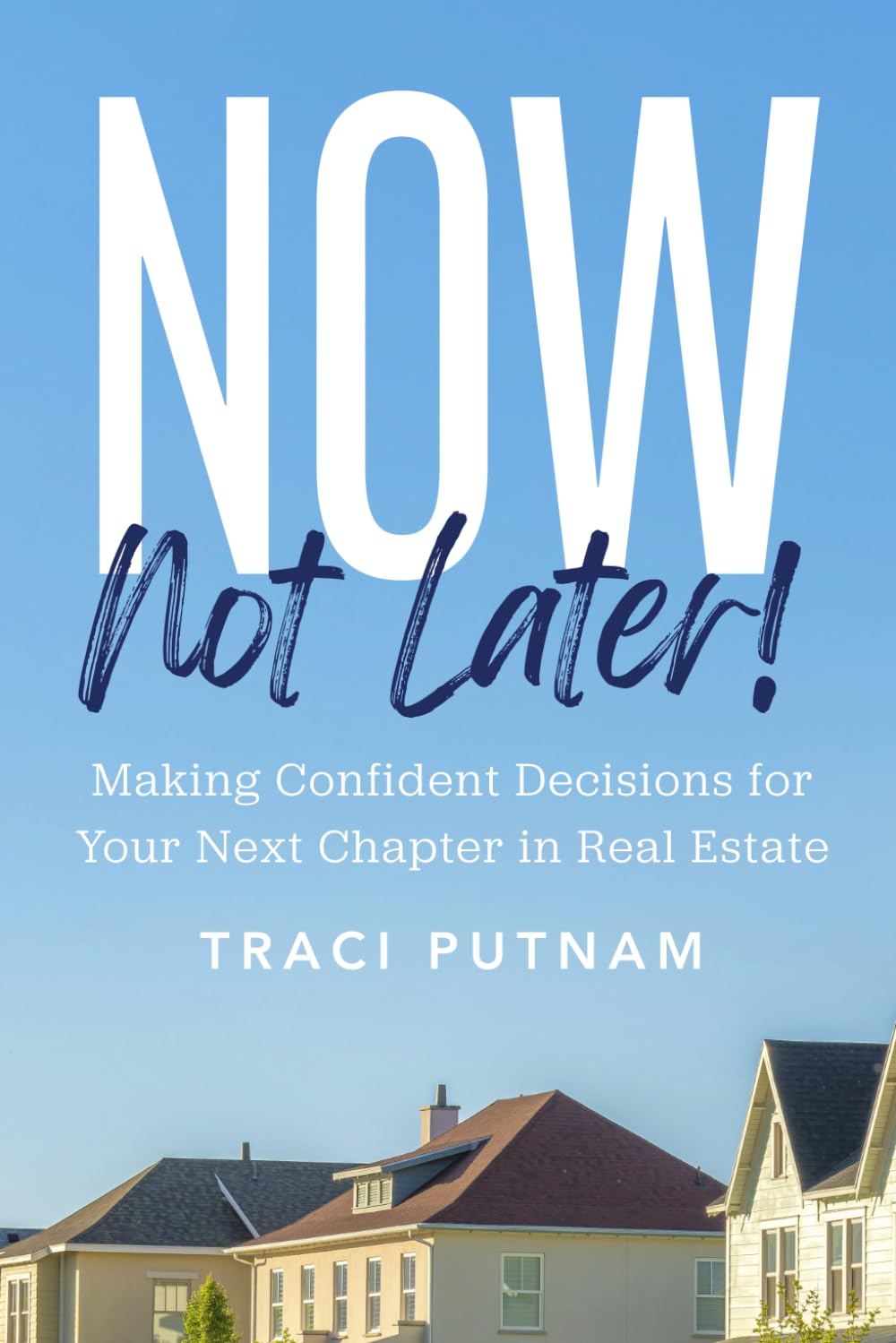
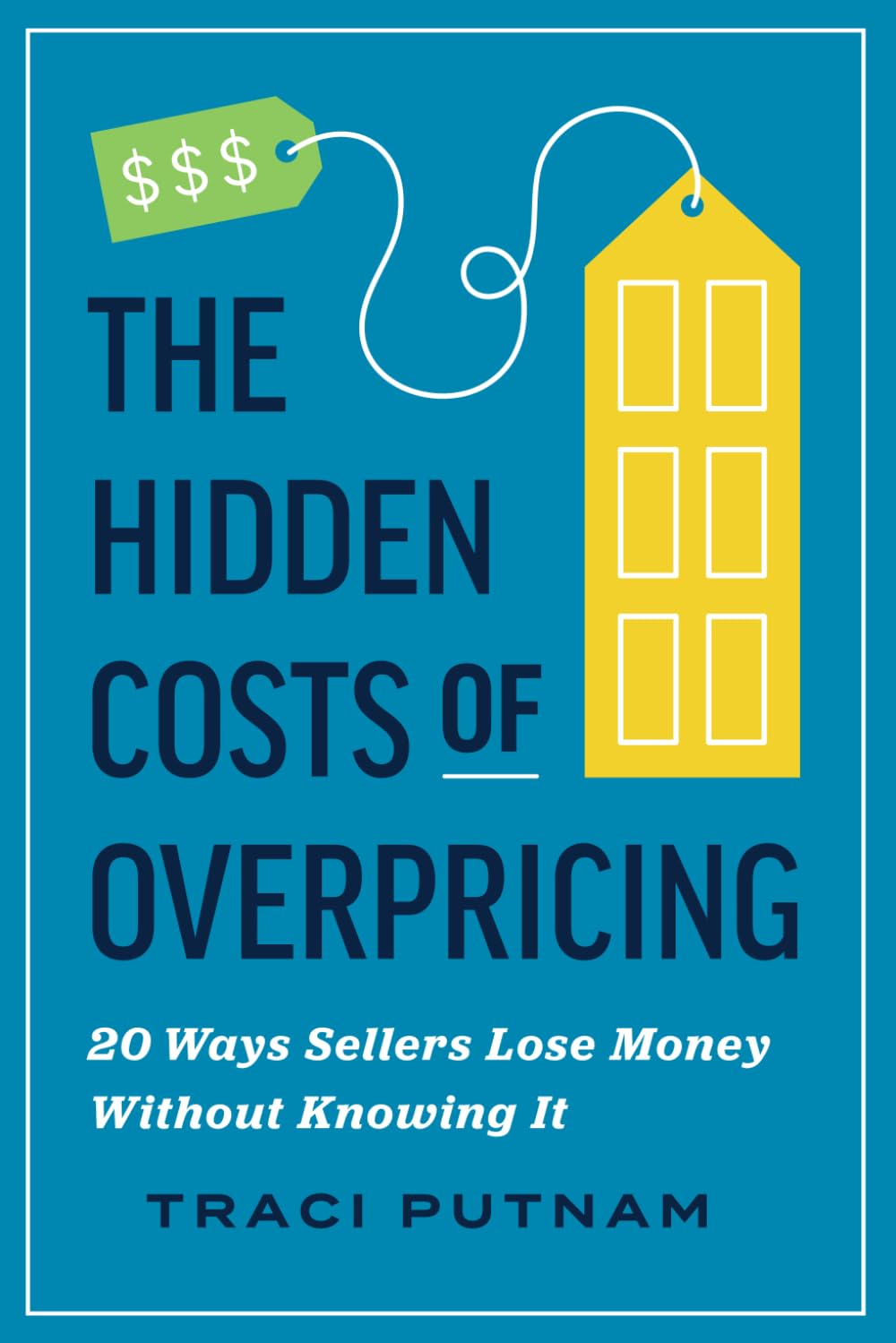
Three More Books by Traci Putnam

Practical guides for buyers, sellers, and anyone headed toward a closing, each free to read on its own site.

Enter the Authority Center

Every lending question I answer, across twenty-two topics, in one place.

Enter the Authority Center

Questions Readers Ask

Questions Readers Ask

What is Your Friend in the Mortgage Business about?

It is my story and my working philosophy in five chapters: the lessons I learned from my mother and father, how I found my way into mortgage lending in 1996, and the client-centered principles of listening, honesty, education, and perseverance that guide every loan I write.

Is Traci Putnam the same person as Traci Benjamin?

Yes. I wrote this book as Traci Benjamin and now go by Traci Putnam. My individual license, NMLS #111736, is the same, and I am still an Originating Branch Manager with CrossCountry Mortgage in Salem, Oregon.

How did Traci get started in mortgage lending?

Through curiosity first. Long drives through neighborhoods with my baby daughter made me wonder how people bought the homes I saw. After work in car sales and at a consumer finance company, I joined GMAC Mortgage in 1996 and learned purchase lending from the ground up, on straight commission. Chapter 3 tells the whole story.

What does a client-centered mortgage process look like?

It starts with listening to your goals before talking about programs. It includes honest conversations, even when the answer is that a home is beyond what is comfortable, plain-language explanations of every step, and staying with the file when it gets complicated. Chapter 4, The Heart of Service, explains the approach.

Why does the book talk about Wonder Woman?

She was my childhood hero, and her Lasso of Truth became a simple picture of how I want to work: honesty in every transaction, strength through difficult markets, and compassion for the people behind the numbers. Chapter 5 connects those ideas to real client stories.

Can self-employed borrowers or people with past credit problems still buy a home?

Often, yes, with the right structure and documentation. The book describes a self-employed business owner whose income was hit during the pandemic and a borrower with a past bankruptcy and irregular freelance income, both of whom became homeowners after careful work. Every loan is subject to underwriting approval, and I start by reviewing your full situation.

What is Agape Financial Ministries?

It is a faith-driven organization I founded to promote financial wellness through budgeting, credit improvement, and savings education. Chapter 4 explains why I started it.

Can I read the whole book here?

Yes. All five chapters are on this page in full. Copies are also available on Amazon if you would like one for your shelf or to give to someone.

How do I reach Traci?

Call or text (503) 932-5511 or email traci@traciputnam.com. I am licensed in Oregon, Washington, Idaho, Arizona, and Texas through CrossCountry Mortgage, LLC, NMLS #3029.

✓ Copied to Clipboard